
Website traffic rarely disappears without warning. In most cases, it declines slowly. Rankings slip a position at a time. Clicks drop month after month. Eventually, businesses notice fewer calls, fewer inquiries, and less engagement. At that point, panic often sets in.
However, traffic loss is rarely caused by a single algorithm update or sudden competition. Instead, it usually comes from ongoing Digital Marketing Mistakes that compound over time. These mistakes weaken relevance, confuse users, and reduce trust signals that search engines rely on.
At Division Design, traffic analysis often reveals that the foundation is present but flawed. Pages exist, keywords are targeted, and marketing efforts are active. Still, performance stalls. Therefore, identifying what quietly blocks growth becomes essential.
This article breaks down seven mistakes that consistently reduce visibility and explains how they impact traffic today.
Understanding Why Traffic Drops Over Time
Before diving into specific issues, it helps to understand how Google evaluates content now. Recent updates prioritize usefulness, clarity, and intent alignment. Pages must serve users first. Content written only to rank no longer performs long term.
When sites fail to adapt, traffic declines gradually. Often, businesses respond by publishing more content. Unfortunately, publishing without fixing core issues only adds noise.
That’s why addressing Digital Marketing Mistakes at the strategic level matters more than chasing volume.
1. Misunderstanding Search Intent
Search intent is the reason behind a query. Some users want answers. Others want comparisons. Some are ready to take action. When content doesn’t match that intent, traffic suffers.
For example, a page targeting a problem-based search should educate first. If it pushes services too early, users leave. Similarly, a page meant for buyers should remove friction and build confidence quickly.
When intent is ignored, bounce rates rise. Engagement drops. Over time, rankings weaken because Google sees that users aren’t satisfied.
This mistake often happens when keywords are chosen without context. Instead of focusing on why someone searches, content focuses only on ranking for a phrase.
Correcting intent alignment improves traffic quality, not just quantity.
2. Weak Content Structure That Hurts Readability
Structure is no longer optional. Users scan before they read. Search engines do the same.
Pages without clear headings feel overwhelming. Long paragraphs reduce focus. Missing transitions break flow. As a result, users leave earlier than expected.
Modern content must guide the reader. Each section should answer a specific question or move the topic forward. When structure supports clarity, users stay longer, which improves performance signals.
Poor structure doesn’t always look bad at first glance. However, analytics often show the damage through low time on page and limited scroll depth.
Fixing structure is one of the fastest ways to regain lost traffic.
3. Keyword Imbalance That Breaks Natural Flow
Keywords still matter, but balance matters more. Some pages repeat the same phrase excessively. Others avoid it completely out of fear. Both approaches weaken relevance.
The keyword Digital Marketing Mistakes must appear where it fits naturally within context. It should support clarity, not interrupt it.
Search engines now recognize topical relevance, not repetition. Pages that explain concepts thoroughly tend to rank better, even with fewer exact matches.
When keywords are forced, users notice. When they’re missing, relevance weakens. Striking the right balance helps content perform consistently.
4. Depending Too Heavily on Paid Traffic
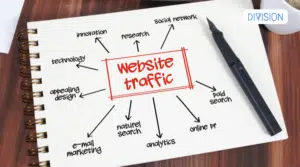
Paid ads can drive traffic quickly. However, that traffic stops the moment campaigns pause. Businesses that rely only on ads face unpredictable visibility and rising costs.
Organic traffic builds differently. Blog posts, service pages, and local content continue working in the background. Over time, they create stability.
The problem arises when paid traffic replaces organic strategy instead of supporting it. When that happens, websites fail to build authority.
This dependency becomes one of the most expensive Digital Marketing Mistakes, especially for small and mid-sized businesses trying to scale sustainably.
5. Poor Internal Linking That Limits Growth
Internal links help users navigate. They also help search engines understand relationships between pages.
Without internal linking, pages exist in isolation. Authority doesn’t flow. Important pages struggle to rank because they lack support.
Many sites only link within menus or footers. While helpful, that isn’t enough. Contextual links inside content guide users naturally and encourage exploration.
Here is where internal linking adds value:
- It keeps users engaged longer
- It helps distribute page authority
- It clarifies topical relevance
This is the only bullet section included, as requested.
When internal links are intentional, traffic growth becomes easier to maintain learn How Internal Linking Can Boost Page Authority and User Engagement.
6. Ignoring Local Signals and Google Business Profile
Local visibility drives high-intent traffic. Yet many businesses fail to connect their website with local trust signals.
An inactive or incomplete Google Business Profile reduces credibility. Inconsistent business details confuse users. Missing updates weaken engagement.
Local signals support both map rankings and organic listings. They also reinforce legitimacy, which matters more than ever.
Ignoring local optimization is a common Digital Marketing Mistake that quietly reduces traffic, especially for service-based businesses.
7. Writing Content for Algorithms Instead of People
Google’s recent updates clearly reward helpful content. Pages written only to satisfy algorithms don’t last.
Users want clear answers. They want practical guidance. They want transparency. When content focuses on helping first, traffic follows naturally.
Signs content isn’t people-first include vague language, repetitive ideas, and lack of actionable insight. These pages may rank briefly but fade quickly.
The solution isn’t writing more content. It’s writing better content that respects the reader’s time.
How These Digital Marketing Mistakes Work Together
Individually, each issue may seem minor. However, combined, these Digital Marketing Mistakes create compounding damage.
For instance, poor intent alignment increases bounce rate. Weak structure reduces engagement. Missing internal links stop authority flow. Over time, Google reduces exposure.
This explains why traffic loss often feels slow and confusing. The site isn’t broken. It’s underperforming.
Fixing traffic issues requires reviewing what already exists instead of starting from scratch.
How Division Design Fixes Traffic Issues the Right Way
At Division Design, traffic recovery begins with understanding user behavior. Pages are reviewed for intent, structure, clarity, and usefulness.
Instead of chasing trends, the focus remains on:
- Clear content flow
- Strong topical relevance
- Logical internal linking
- Local trust reinforcement
This method aligns with current Google guidelines and supports long-term results.
Hidden within this process is a simple next step. Many businesses begin by reviewing their existing pages to identify what’s holding them back before making new investments.
Contact Division Design Through Google Business Profile
If your website traffic has slowed or stopped growing, addressing these Digital Marketing Mistakes is a strong place to start. Division Design works with businesses to improve content quality, strengthen visibility, and align pages with real user intent.
You can connect with Division Design through the Google Business Profile to view business details, updates, and location information. This also helps reinforce local signals that support online visibility.
For businesses considering improvements, reviewing what’s already live often reveals opportunities that were previously overlooked.
Final Thoughts
Traffic growth isn’t accidental. It’s the result of consistent decisions that prioritize users, clarity, and relevance.
Avoiding Digital Marketing Mistakes allows your content to perform longer, rank stronger, and attract visitors who actually engage.
Fix the foundation first. The traffic follows naturally.
